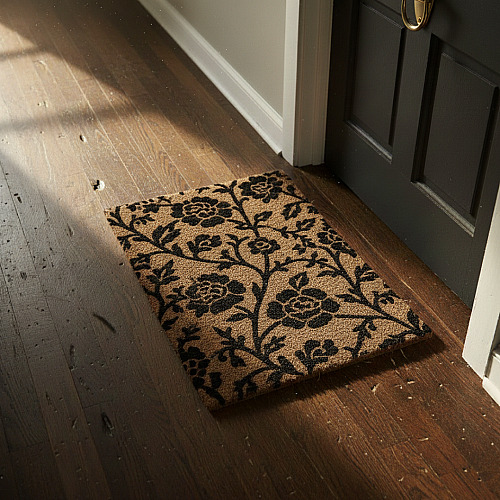
You don’t think much about your doormat until a contractor is kneeling in your entryway, pointing at warped boards you didn’t notice. Hardwood floor repairs run $1,350 to $6,275 according to HomeAdvisor, and most of that damage starts the same way: Water pooling beneath a mat that was supposed to prevent that.
Most of us buy a doormat, drop it by the front door, and assume the job is done. But some doormats create as many problems as they solve. Understanding what goes wrong (and what WaterHog doormats do differently) can save you from a repair bill you never saw coming.
1. Moisture Trapping Creates Hidden Damage Beneath the Mat
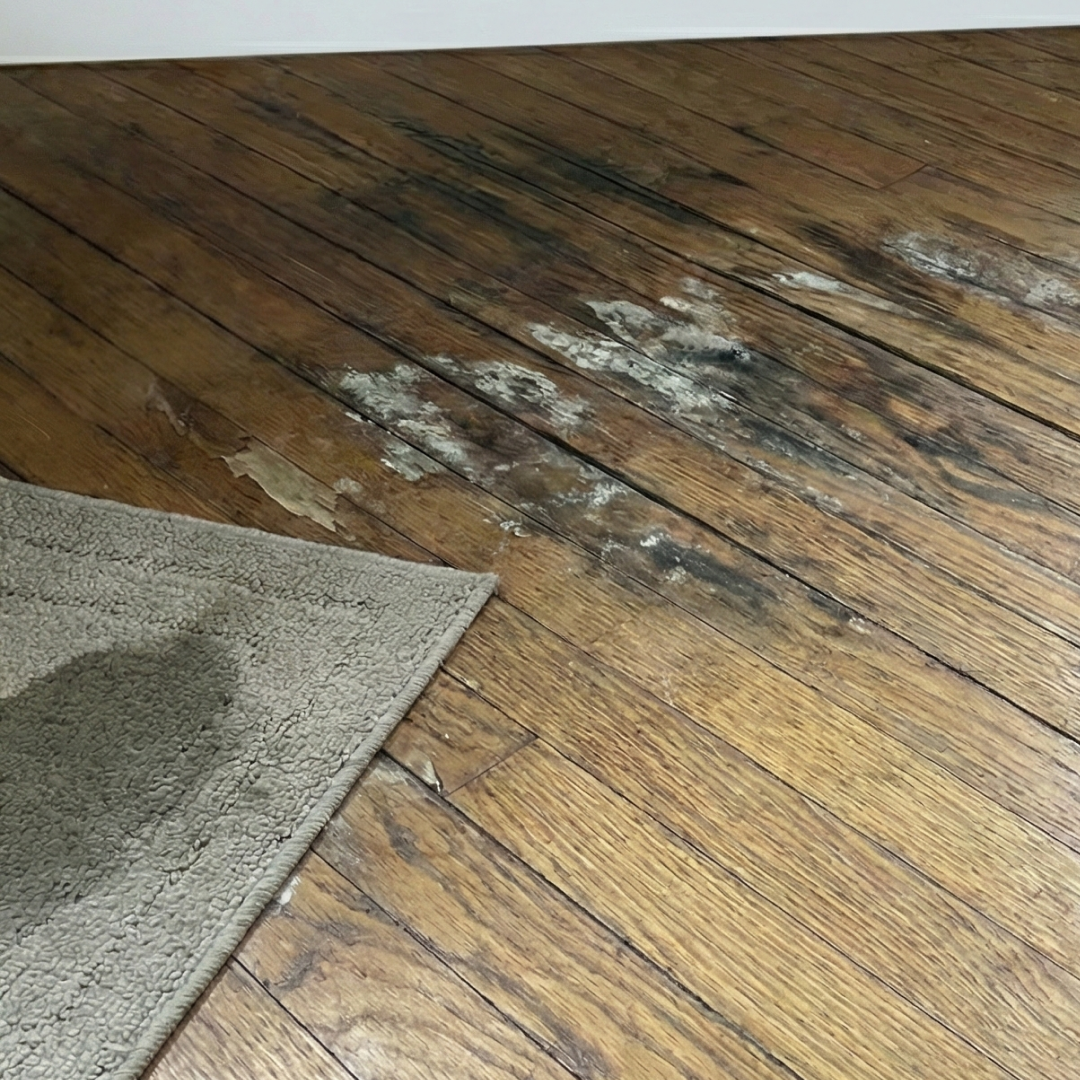
Regular doormats soak up water from wet shoes and boots. That sounds helpful, but the water has nowhere to go. It just sits there. Natural fiber mats and cheap options hold water right against your floor. Over time, this trapped moisture damages hardwood, luxury vinyl, and laminate flooring.
All this trapped moisture can lead to some major headaches. Water damage causes boards to cup, warp, and buckle. Fixing it often means replacing boards and refinishing the whole floor, making this a very costly issue.
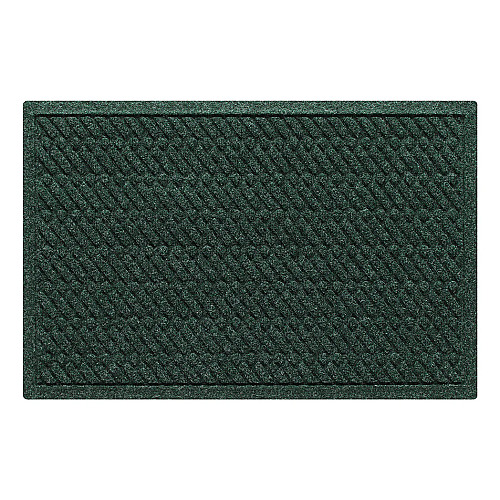
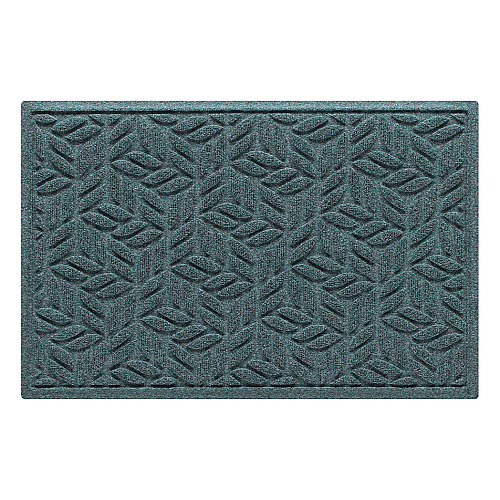
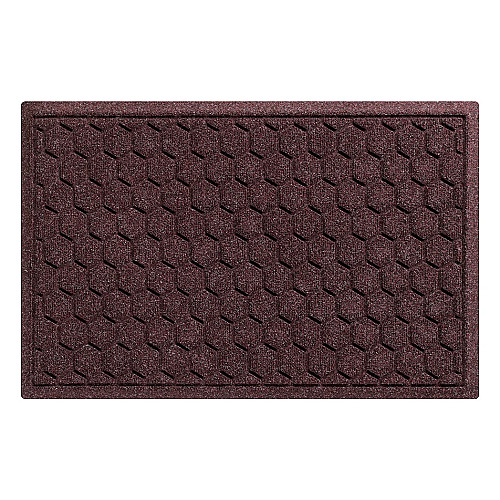
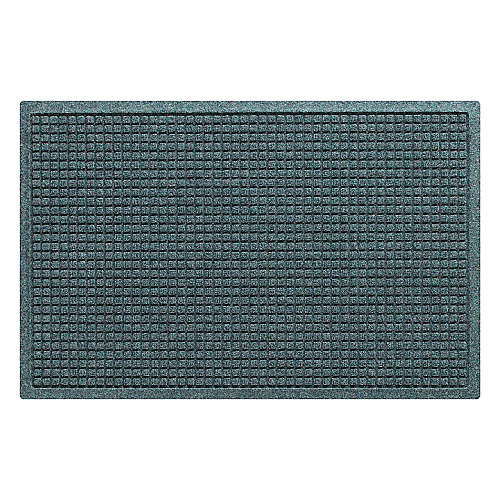
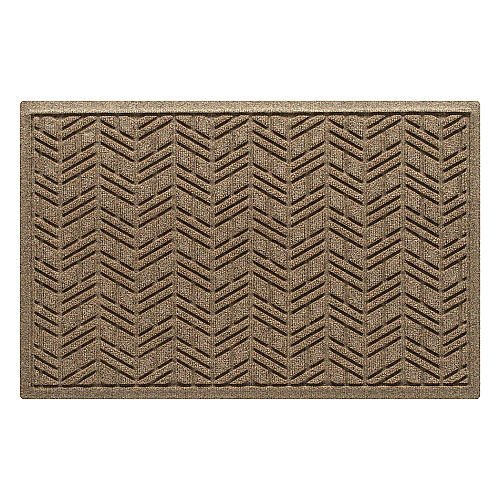
WaterHog doormats work differently. Their raised pattern scrapes dirt off shoes, while channels below trap water and keep it away from both your floor and people’s feet. A rubber backing creates a wall between trapped water and the floor underneath. Like most doormats, you still need to let the mat dry out sometimes. But the smart design keeps moisture from sitting on your floors in the first place.
2. Natural Fiber Shedding Adds Extra Cleaning Work
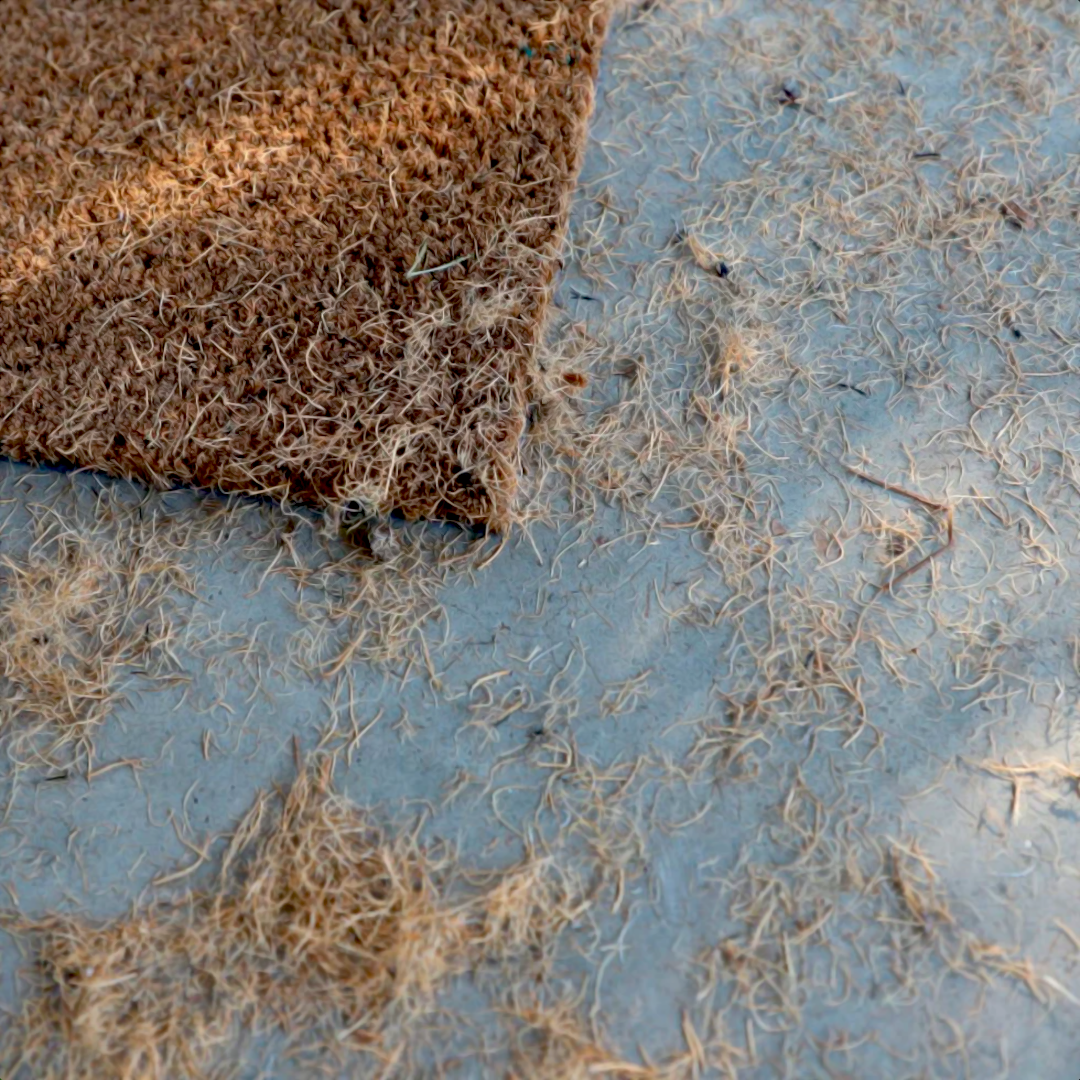
Coir and coconut fiber doormats are popular because they absorb moisture and look natural. Unfortunately, they also shed all the time. They’re especially bad during the first few weeks after you buy them and whenever they get wet. These loose fibers end up all over your floors. They can scratch smooth surfaces and make you sweep constantly. That’s the opposite of what a doormat should do.
Natural fiber mats also fall apart fast when they get rained on or get covered in snow, making them problematic for exterior doors. The fibers break down and start to rot. Then they shed even more. People with coir mats in rainy areas often replace their mats several times a year. They spend more time sweeping up mat debris than dirt from outside.
WaterHog doormats use PET fabric made from at least 90% recycled plastic instead of natural fibers. This means zero shedding while still offering a sustainable product. The fibers don’t fade, stain, or rot, so the mat looks good and works well no matter what the weather does.
I’ve had the Camper Doormat at my apartment entrance since March, handling daily traffic in and out. The hardwood underneath still looks the same as the day I put the mat down, and the mat itself shows no signs of wear. The real test comes when the snow starts to fall, but after six months of use, I’m confident it can handle a New York City winter.
3. Small Mats Let Water Sneak Past Onto Your Floors
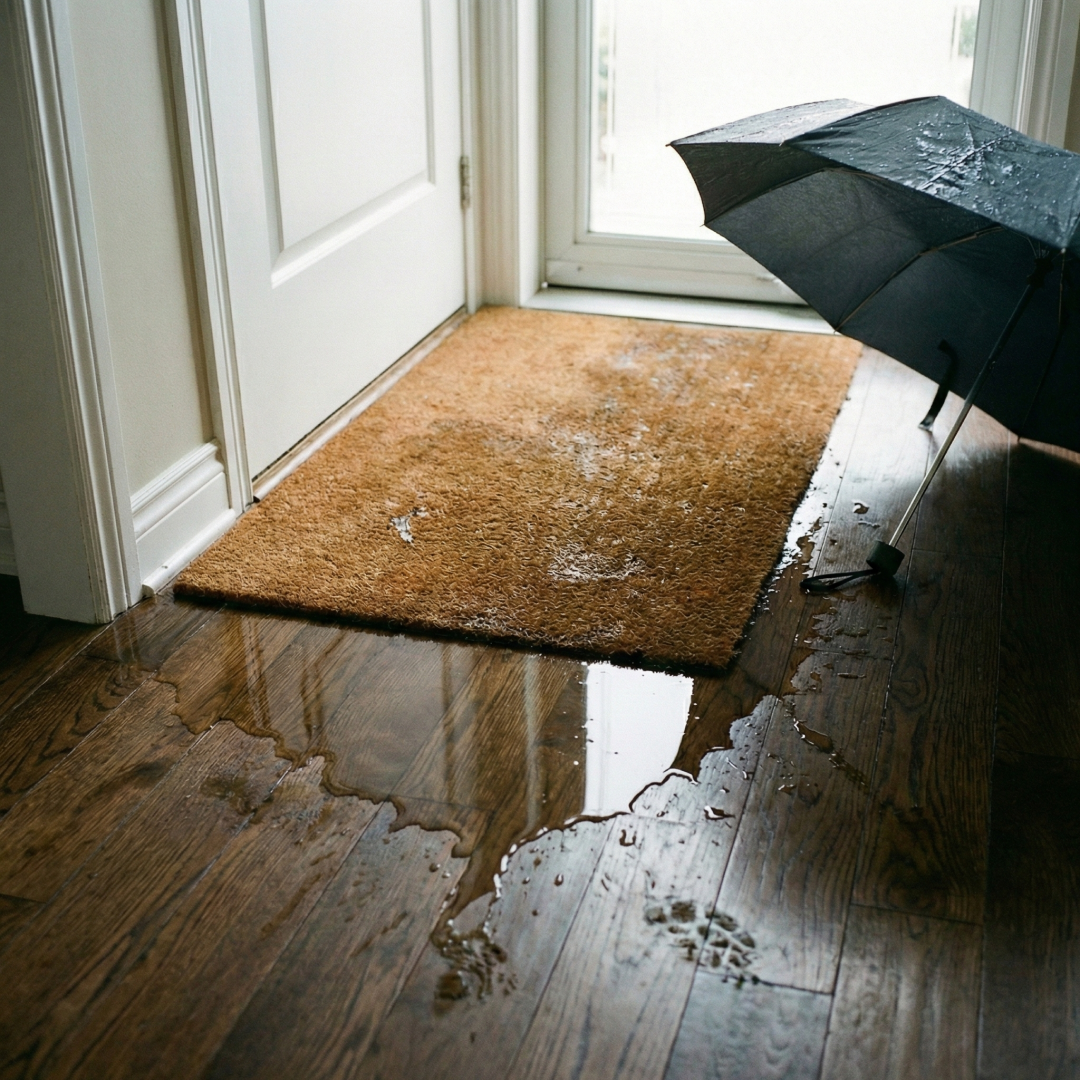
Most doormats are too small. When someone takes a few steps to wipe their feet or walks in at an angle, water misses the mat and lands right on the floor. The mat makes you feel like you’re protected, but water is getting through anyway.
When water keeps hitting the floor around the mat’s edges, the damage spreads over time. Angi repair data shows water damage repairs cost $8 to $100 per square foot. If mold or mildew grows, add another $10 to $25 per square foot to clean it up.
WaterHog knows that houses come in all shapes and sizes, so their doormats are made in many different styles. The collection includes the Half-Round Doormat for doors that swing outward, Runners for mudrooms and hallways, and larger mats for wide entryways. A raised border around the edge keeps trapped water inside the mat instead of running off onto your floors.
The collection also comes in a range of patterns and colors, from clean geometric designs to nature-inspired prints, so you can match the vibe of your entryway. I went with the Camper design because I love road trips and long-distance travel, and it’s a small reminder of that every time I walk through the door.
4. Mats That Slide Around Create Hazards and Floor Damage
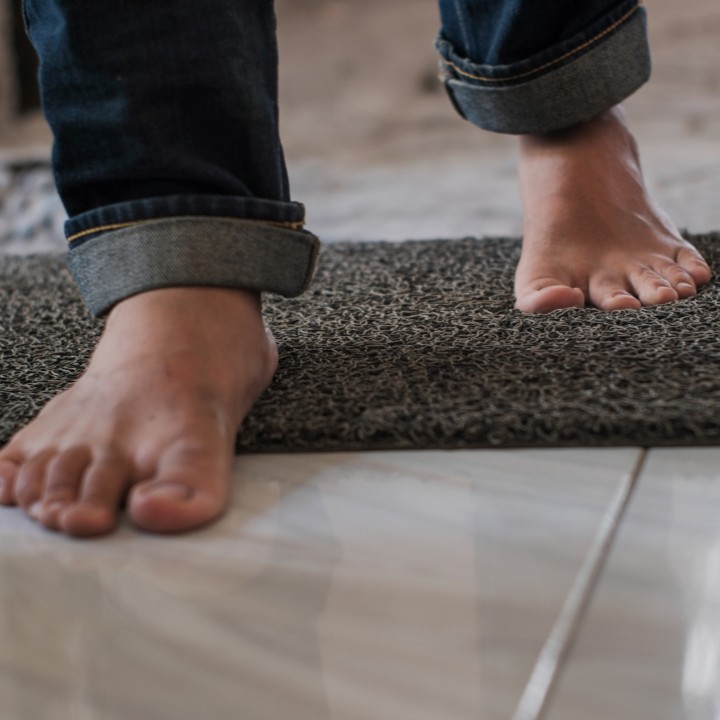
Mats with thin or worn-out backing bunch up, curl at the edges, and won’t stay flat while cheap doormats slide out of place when people walk on them. Although it may feel a little thrilling to do a little land surfing every once in a while, this creates a tripping hazard and can be dangerous. It also means some parts of your floor get walked on more than others.
Sliding mats also scratch your floors. Hardwood finishes get scuffed, and luxury vinyl can show marks. Having to straighten your doormat every day gets old fast.
Every mat in the WaterHog collection, from doormats to Stair Treads, has NFSI-certified high-traction rubber backing. The rubber is made at the company’s factories in Georgia. Unlike cheap backing that cracks and crumbles over time, this rubber stays strong. The mat stays put, and your floors stay scratch-free.
5. Mats That Fill Up Fast Stop Working When You Need Them Most
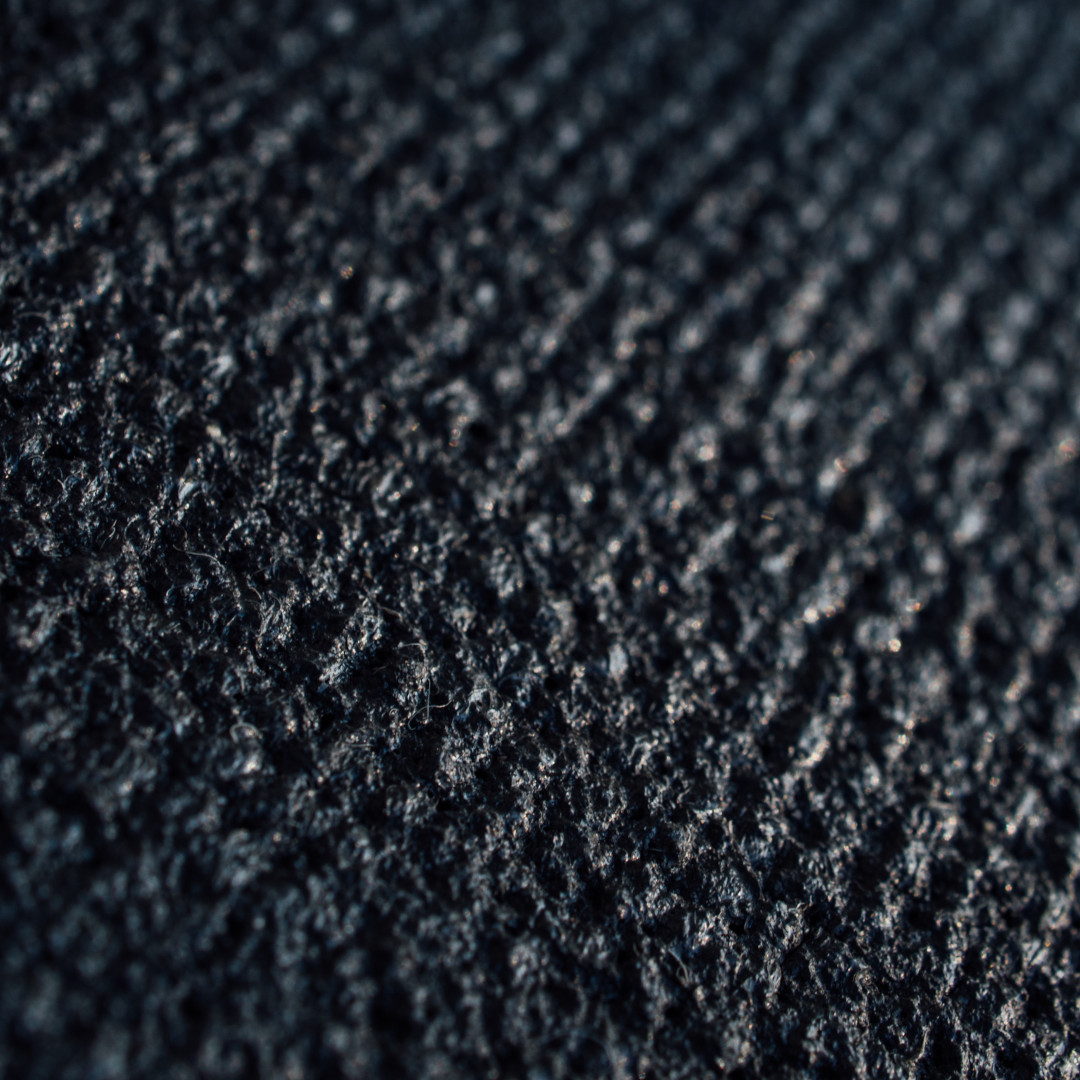
Basic doormats get soaked quickly when the weather turns bad. Once a mat is full of water, it can’t absorb any more. At that point, the mat does nothing to help. It might even put water back on the floor with every footstep. This damage happens slowly, so you might not notice until it’s too late.
Buying cheap mats over and over adds up, too. Someone who replaces a low-quality mat several times a year spends more money than buying one good mat. Meanwhile, their floors take damage every time they’re left unprotected.
According to WaterHog’s specifications, their mats hold over a gallon of water per square yard. The raised pattern packs lots of surface area into each square inch. This means the mat keeps working overtime through heavy traffic and bad weather instead of failing right when you need it most.
Simple Mat Care to Protect Your Floors
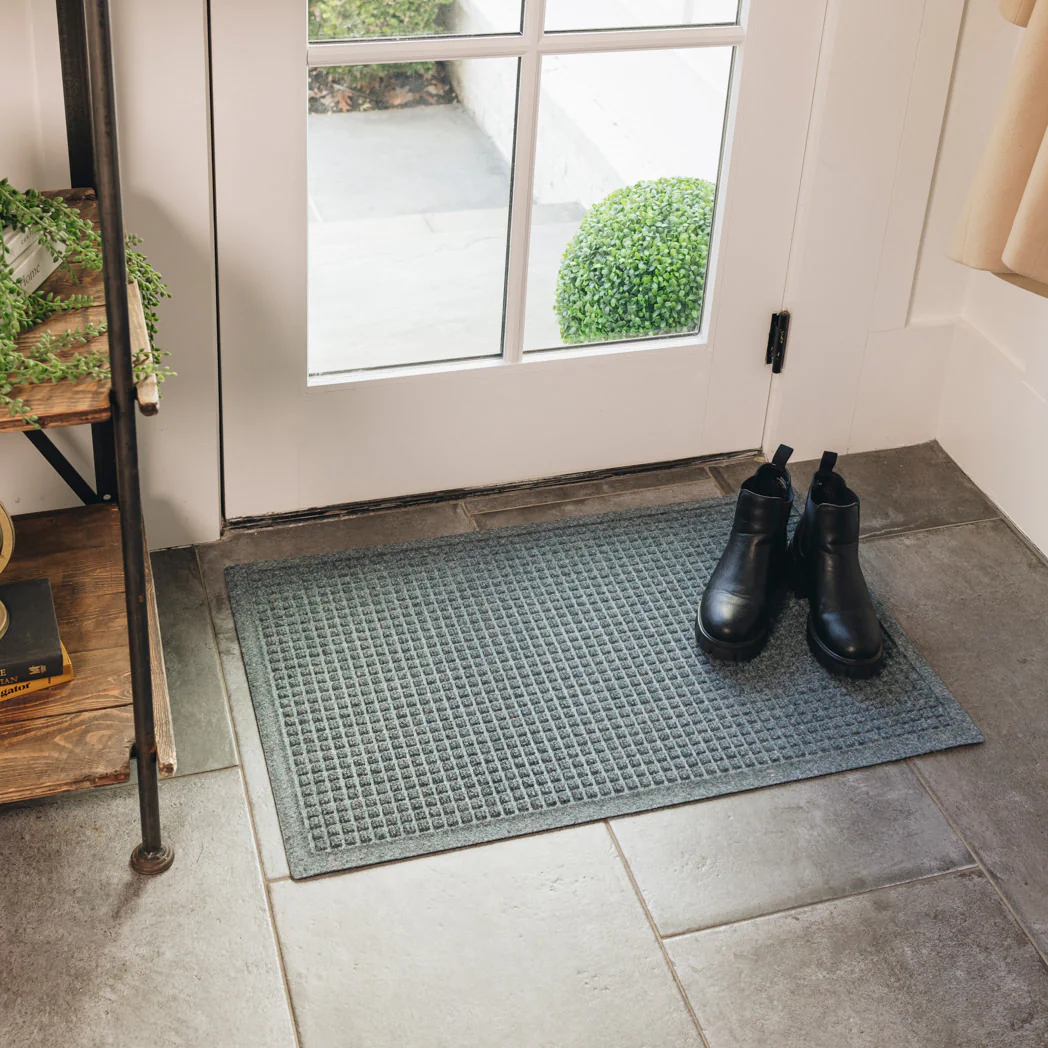
Even the best mat needs occasional maintenance to keep performing at its best. According to WaterHog's official Mat Care Guide, a few simple habits can extend the life of your mat and provide even better floor protection.
Routine Cleaning
Shake the mat vigorously outdoors to release trapped dirt, leaves, and sand from the bi-level surface.
Vacuum the mat weekly using a standard household vacuum, which will not damage the PET fibers.
Rinse with a garden hose after heavy mud or wet weather exposure, then allow the mat to air dry completely before placing it back on your floors.
Tackling Stubborn Stains
Apply a mild detergent or your preferred spot remover to problem areas like red clay or wine stains.
Scrub gently with a soft brush and let the solution sit for 10 to 15 minutes before rinsing.
A pressure washer works for deep cleaning, but be sure to keep the nozzle at least 12 inches from the surface.
Never use bleach or petroleum-based products, as these can damage the mat's materials and rubber backing.
Floor Protection Best Practices
Lift your mat every few weeks to clean underneath and let your floors breathe.
Always ensure both the mat and your floor are completely dry before putting the mat back in place.
If you have vinyl flooring, check your manufacturer's care guide, as some vinyl contains plasticizers that may react with rubber over time.
Allow new floors to cure completely per your installer's recommendations before placing any mat.
Smart Design Protects Your Flooring Investment
Your entryway sees every person and every weather condition that comes into your home. The mat guarding that space should be built to handle it all. If you’ve spent thousands of dollars on nice floors, protecting this space should be a priority.
All five of the problems mentioned above come from poor doormat design. WaterHog doormats have been improved over 40 years to solve exactly these issues. The price difference between a good doormat and a bad one is tiny compared to even one floor repair that could cost thousands. Good construction beats empty promises every time.
Stop gambling with cheap doormats that lie down in defeat every time wet or snowy shoes walk through your door. WaterHog doormats are made in America and backed by decades of proven performance. Find the right size and style for your entryway. Your floors will thank you.
All details were verified at the time of publication and are subject to change without notice.





Leave a Comment
Your email address will not be published. Required fields are marked *