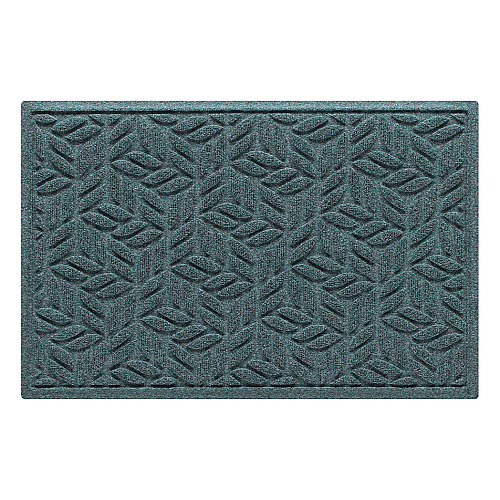
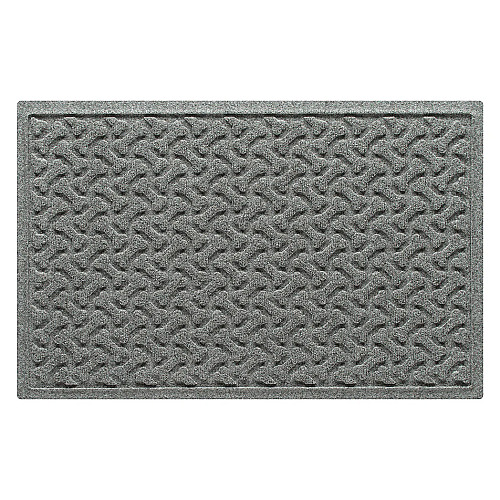
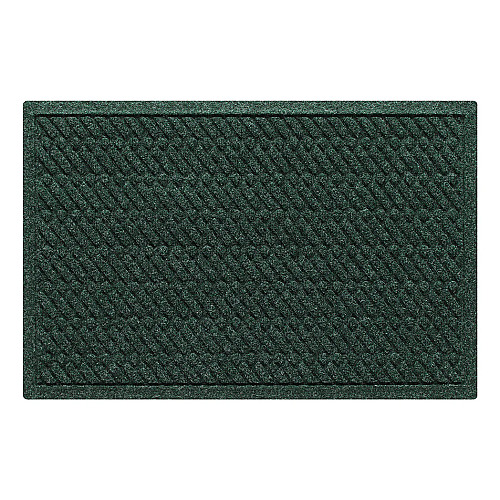
A lot of doormats get labeled “natural” or “eco-friendly,” and it’s easy to assume they’re the better choice. But those labels don’t tell the whole story. When you look at where a mat was made, how far it traveled, how long it lasts, and where it ends up when you’re done with it, the eco-friendly doormats category looks very different from what the packaging suggests. That’s exactly why WaterHog approaches sustainability the way it does, by focusing on the full picture, not just the label.
Here are five things worth checking before you buy.
Where It Was Made and How Far It Traveled

Coconut fiber (coir) mats are made mainly in India and Sri Lanka. Jute mats come almost entirely from Bangladesh and India. Most bamboo mats, even though bamboo grows quickly, are processed and made in China. All of these products travel thousands of miles by cargo ship just to reach a US warehouse, then travel again by truck to get to your door.
Cargo ships burn a lot of fuel. That carbon cost is real, but it rarely shows up on a “natural fiber” label. And every time you replace a worn-out mat, that shipping footprint starts all over again.
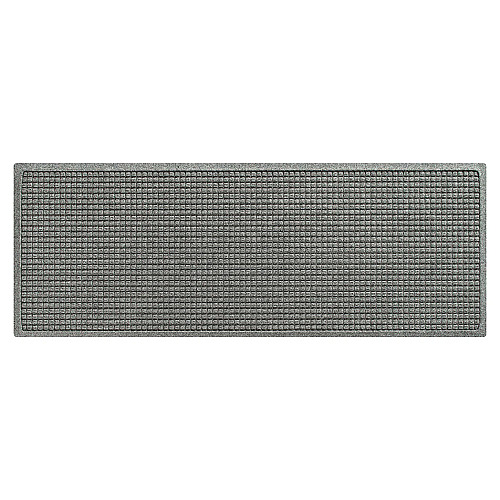
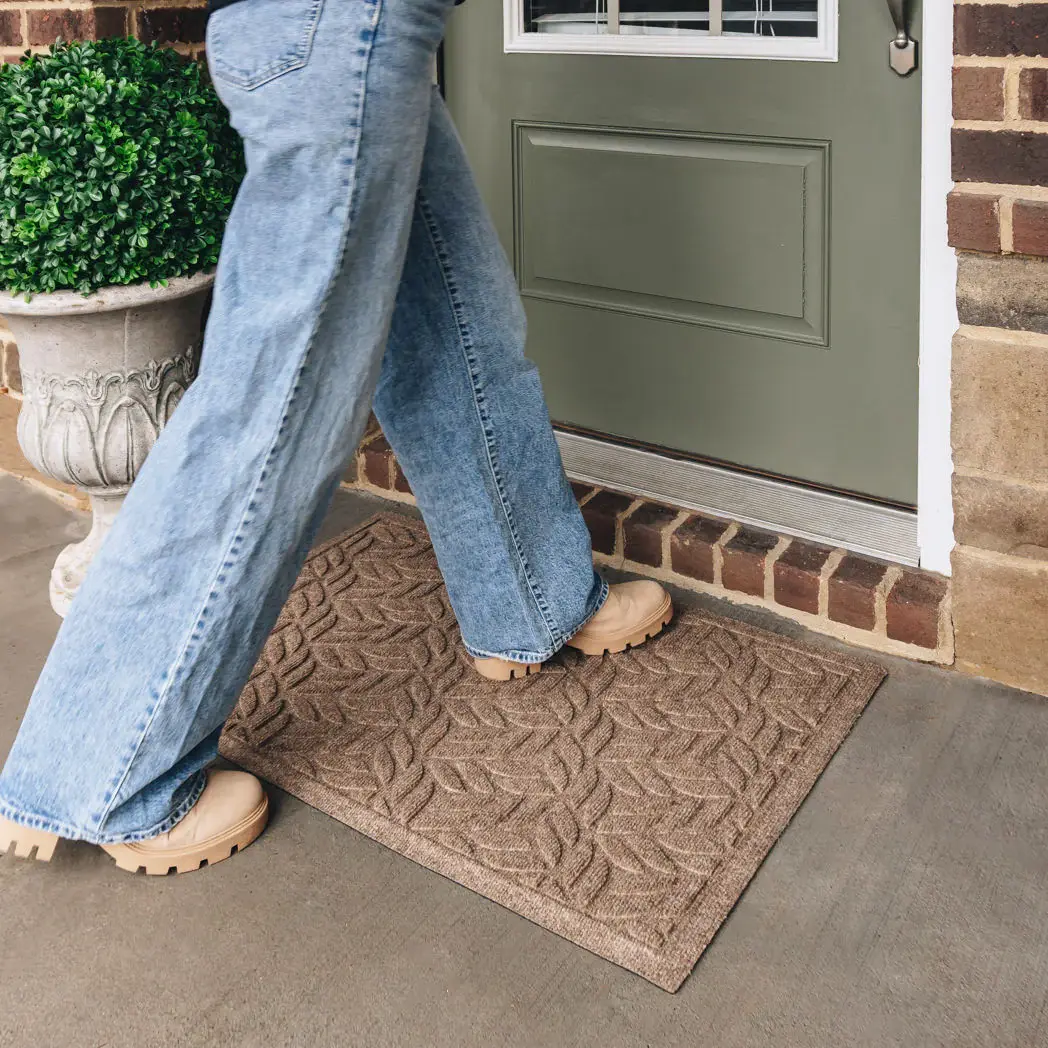
The WaterHog Squares Doormat is made in Dalton and LaGrange, Georgia, and ships directly from there. A mat made and shipped domestically has a much smaller transportation footprint than one coming from the other side of the world.
Replacement Frequency Compounds the Problem

A $20 mat that needs to be replaced every year or two creates a lot more waste over time than one that lasts a decade. That’s where most “natural” mats run into trouble.
Coir mats shed from the start. The coconut fibers break down with use, especially in wet or humid weather. Jute has the same problem outdoors. It soaks up water, breaks down over time, and can grow mold if it stays damp. Bamboo mats are often coated to handle moisture, but those coatings tend to wear off, and the mat follows shortly after.
Someone replacing a cheap coir mat every one to two years could throw away 10 or more mats in the same span that a single WaterHog stays in use. WaterHog’s fiber surface is fused to the rubber backing, so it won’t separate, curl, or rot. Customers report mats lasting 15 years or more with no real wear.
Ten overseas shipments and 10 mats in a landfill are real environmental costs, no matter what the original label said.
What’s Actually in the Mat

Waterhog
“Natural fiber” doesn’t mean the mat is clean or safe. Most coir mats are glued to a vinyl or PVC backing. Vinyl doesn’t break down easily, and it can release chemicals over time. Jute mats are often treated with chemicals to prevent mold and pests. Many bamboo mats use formaldehyde-based glues in their construction.
WaterHog mats contain no PVC, phthalates, formaldehyde, latex, or PFAS (also called “forever chemicals” because they don’t break down in the environment). The surface uses at least 90% recycled PET fibers, and the backing contains up to 20% recycled rubber. All of this is listed openly on the product page.
When it comes to making a genuinely informed choice, knowing what’s not in a mat can be just as important as knowing what is.
Transparency, Certifications, and What Can Be Verified
Waterhog
Words like “natural,” “eco-friendly,” and “sustainable” have no standard definition in the home goods space. Any company can put them on a label. What can be checked are third-party certifications, exact manufacturing locations, and specific material disclosures.
WaterHog mats are certified by the National Floor Safety Institute (NFSI) for high traction. That’s an independent safety test, not a marketing claim. The company lists its manufacturing cities by name. It publicly states which chemicals are not in the mat, rather than using vague language like “non-toxic.”
Most natural fiber mats offer far less detail. Country of origin is required by law, so it appears, but specific certifications, chemical disclosures, and end-of-life information are rarely provided.
End of Life: The Factor Most Labels Ignore
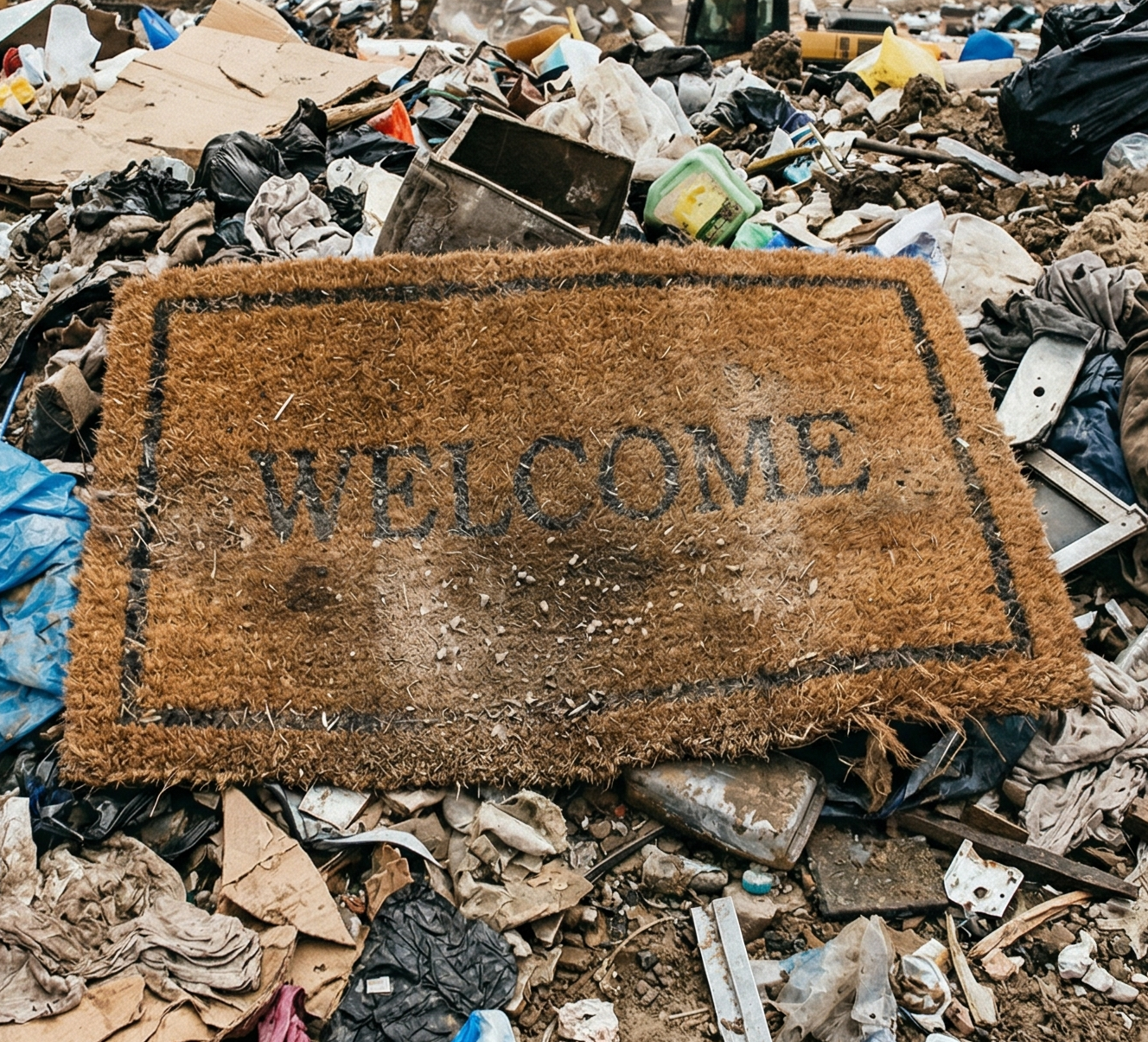
A mat that breaks down in nature sounds like a good thing. But most coir mats are attached to a vinyl backing that does not biodegrade. The natural fiber part may rot away, but the vinyl sticks around. Jute mats treated with mold-resistant chemicals face the same issue. Those chemicals make composting complicated. Bamboo mats held together with adhesives are difficult to recycle for the same reason.
WaterHog’s recycled PET and rubber construction is built to last for decades, which means far fewer disposal events to begin with. It also doesn’t shed fibers around your home the way coir mats do. Fewer replacements, less shipping, less waste, that’s the real environmental math.
Eco-Friendly Doormats Side by Side: How the Most Popular Options Compare
WaterHog Mats | Coco (Coir) Mat | Jute Mat | Bamboo Mat | |
|---|---|---|---|---|
Manufacturing origin | Dalton & LaGrange, Georgia, USA | India, Sri Lanka | Bangladesh, India | China |
Shipping distance to US | Domestic (ships from Georgia) | Thousands of ocean miles | Thousands of ocean miles | Thousands of ocean miles |
Typical lifespan | 10–20+ years (verified customer reports) | 1–2 years | 1–2 years (moisture-sensitive) | 1–3 years (treatment-dependent) |
Surface material | ≥90% recycled PET fiber | Coconut husk fiber (natural, sheds) | Jute fiber (natural, degrades) | Processed bamboo (often treated) |
Backing material | Rubber (no vinyl, no PVC) | Often vinyl or PVC | Often vinyl or latex | Varies; often synthetic |
Chemical composition disclosed | Yes; PVC-, PFAS-, formaldehyde-, phthalates-, and latex-free explicitly stated | Rarely disclosed | Rarely disclosed | Rarely disclosed |
Third-party certification | NFSI High-Traction certified | Typically none | Typically none | Typically none |
The Sustainable Doormat Question Worth Asking
Doormats are a good example of how environmental marketing and environmental reality often don’t match. Most products marketed as eco-friendly doormats may have traveled across an ocean, contain a vinyl backing, and need to be replaced in a year or two. A mat made with recycled materials, built in Georgia, certified by an independent organization, and designed to last for decades can have a much smaller real-world footprint, even if it doesn’t carry a “natural” label.
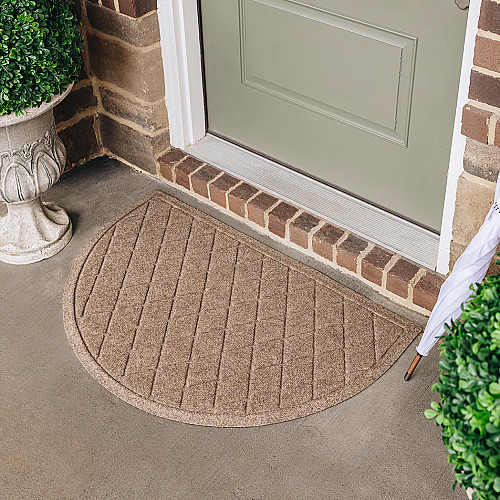
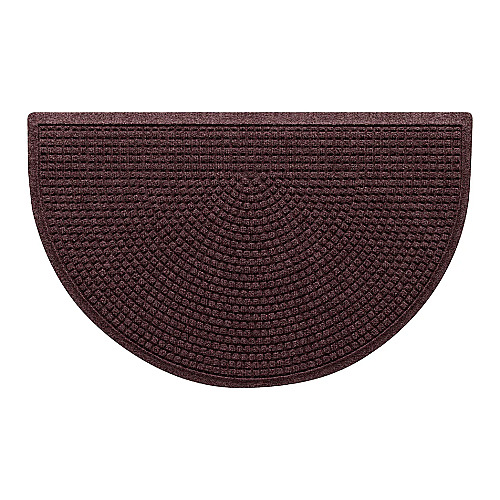
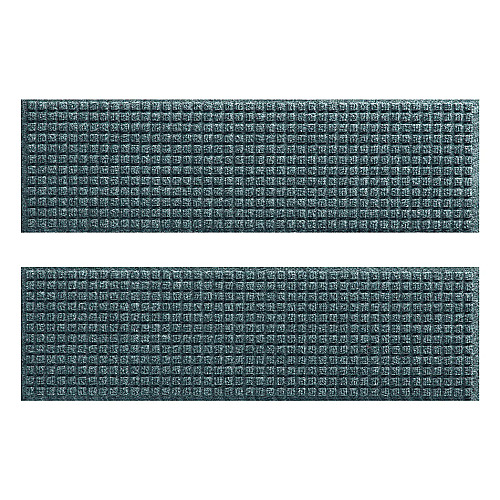
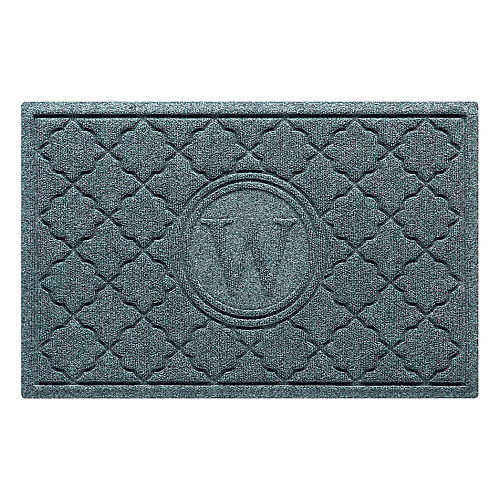
The WaterHog Squares Doormat starts at $45. It also comes in other formats to cover every entry point in your home: runner mats, half-round doormats, stair treads, pet mats, monogrammed mats, and boot trays.
If sustainability actually matters to you, the full picture is worth looking at.





Leave a Comment
Your email address will not be published. Required fields are marked *