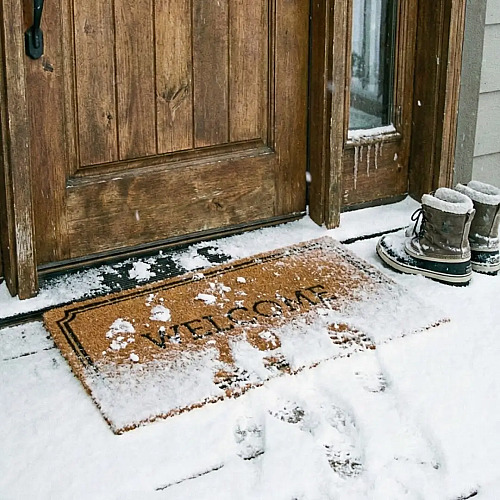
I learned about doormat safety standards the hard way. Last February, my neighbor’s elderly mother slipped on their decorative winter mat during a quick visit to drop off mail. The fall resulted in a fractured wrist and weeks of recovery. The doormat that seemed like a harmless aesthetic choice had created a genuine safety hazard.
That incident sent me down a research rabbit hole about winter doormats that most homeowners never consider. I discovered that the cute, fluffy mats we typically buy for winter aren’t just ineffective. They’re often dangerous. After weeks of investigating safety certifications and testing multiple options, I found that most winter doormats fail to meet basic safety standards that could prevent these exact scenarios.
The Hidden Risk in Your Entryway
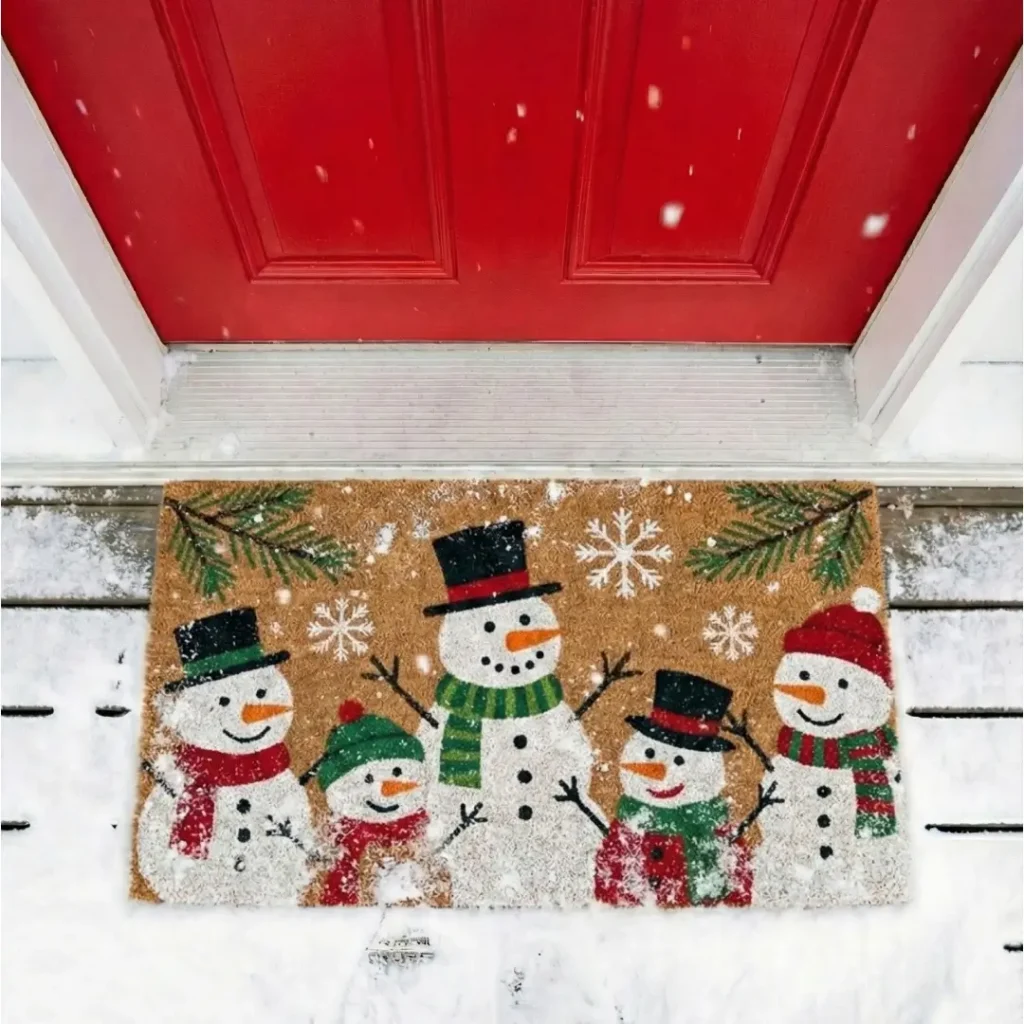
The problem with most winter doormats isn’t immediately obvious. They look substantial, they feel absorbent, and they match your seasonal decor. But when you dig into what makes a doormat safe during winter conditions, the reality is sobering: Most doormats sold for winter use lack any verified slip-resistance certification.
This realization completely changed how I evaluated doormats. I wasn’t looking for something that just looked winter-appropriate or absorbed some moisture. I needed a mat that could help prevent falls while handling the brutal conditions of a Northeastern winter: heavy snow accumulation, ice formation, freezing slush, road salt tracked in on boots, and the constant cycle of melting and refreezing that creates the most hazardous conditions.
Five Safety Standards That Matter
Through my research, I identified five critical safety standards that separate genuinely protective winter doormats from decorative liabilities:
1. NFSI High Traction Certification
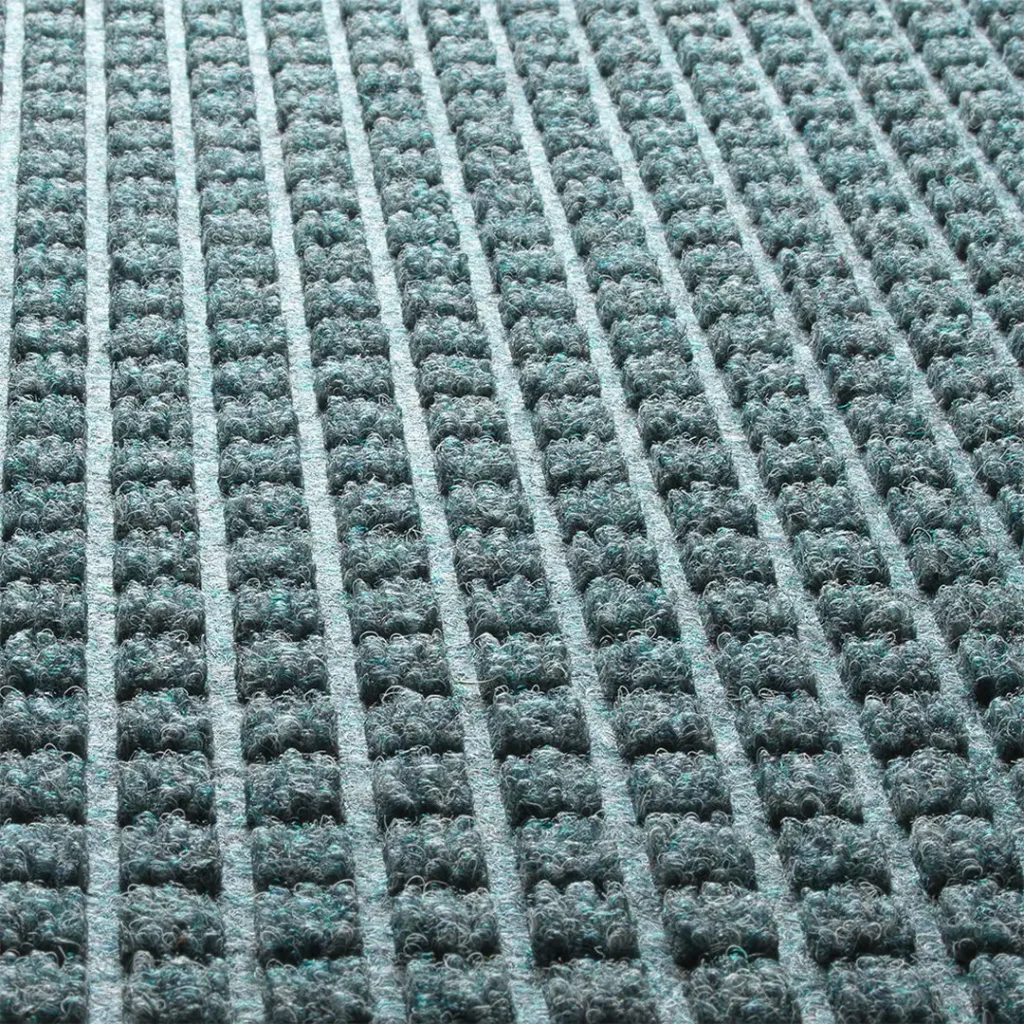
The National Floor Safety Institute (NFSI) is the gold standard for slip resistance testing. Their certification requires mats to maintain traction under both dry and wet conditions, with specific coefficient of friction requirements. Most decorative winter mats have never been tested, let alone certified. The WaterHog Squares Doormat carries NFSI High Traction Certification, one of the few residential doormats that can make this claim.
This certification matters even more in winter, when you’re not just dealing with clean water. You’re dealing with slush that’s half-melted and refrozen multiple times, making the surface especially slippery. You’re dealing with the film of salt residue and road grime that people track in after trudging through parking lots. The NFSI certification ensures the mat maintains grip through all of these winter-specific challenges.
2. Water Retention Capacity
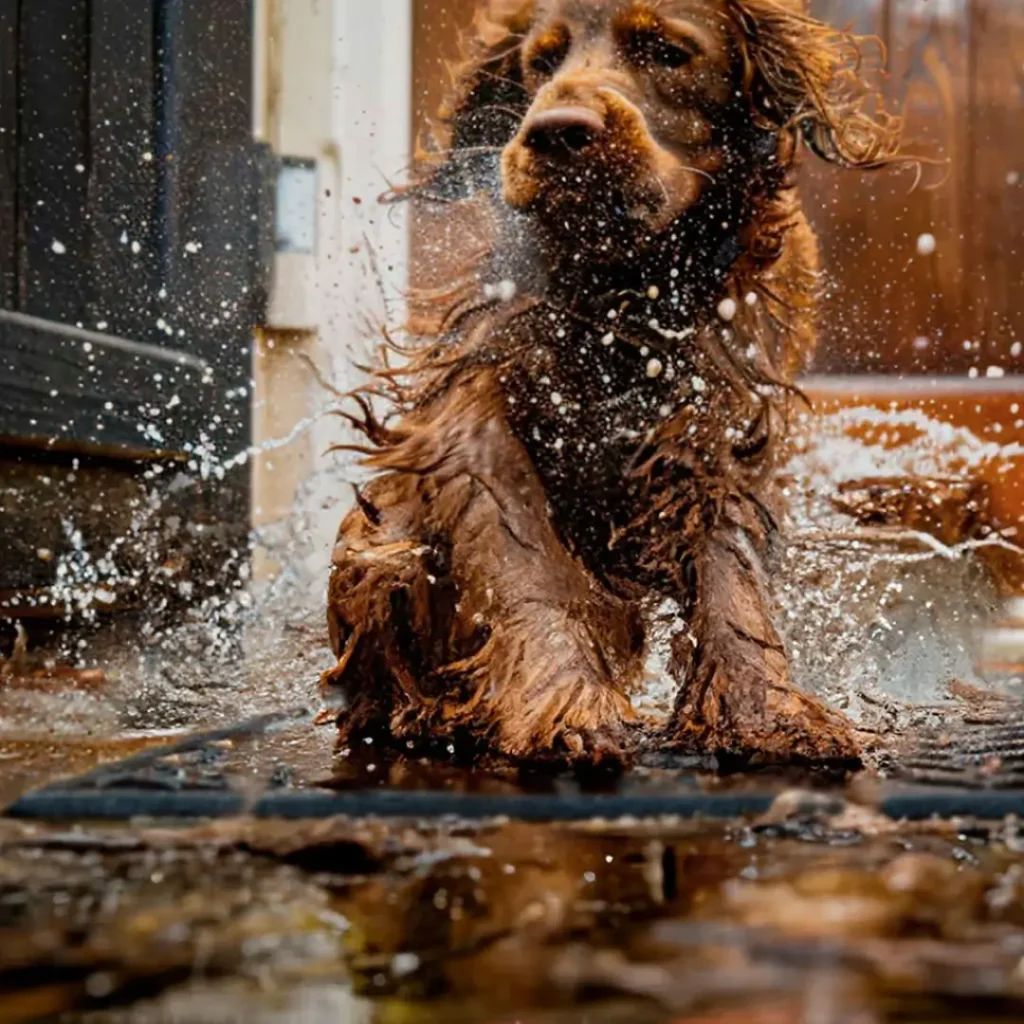
A safe winter doormat needs to trap and hold moisture, not just temporarily absorb it. During winter, each person entering your home tracks in significant amounts of water, slush, or snow per entryway. Multiply that by multiple entries and visitors throughout the day, and you need a mat that can handle substantial volume without becoming saturated.
Winter presents unique moisture challenges. It’s not just water. It’s snow that compacts into ice in your mat. It’s slush that’s simultaneously solid and liquid. It’s the puddles that form when people stomp their boots, then refreeze into hazardous ice patches if your mat can’t contain them. WaterHog’s rubber backing features a unique “water dam” border that holds up to a gallon of water per square yard, trapping liquid and debris and preventing it from spreading beyond the mat. This was a feature I didn’t find in any standard decorative option.
3. Chemical Resistance
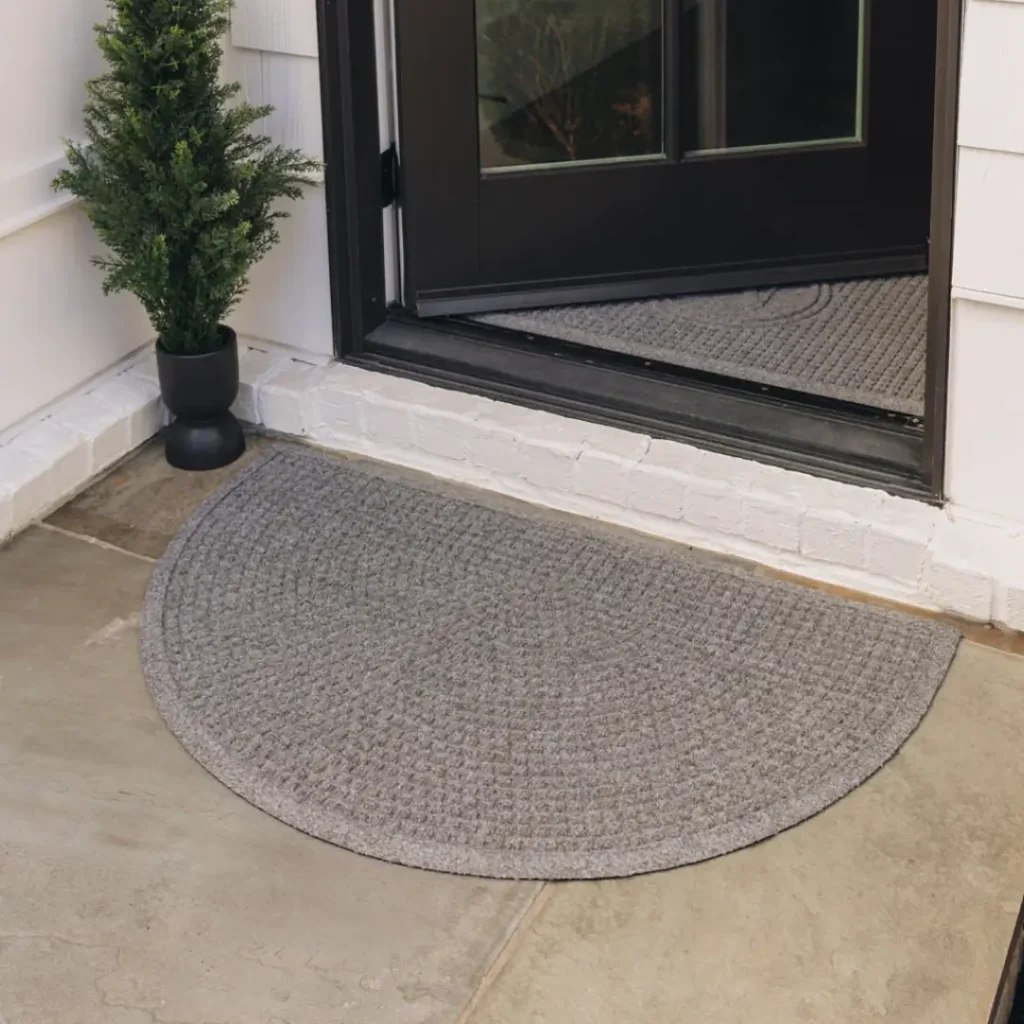
This was the safety factor I never considered until I started researching. Winter brings not just snow and ice, but road salt, de-icing chemicals, and calcium chloride that people track in constantly. These chemicals can break down typical mat materials, leading to deterioration and reduced slip resistance over time.
The chemical assault on winter doormats is relentless. Municipal trucks spray salt brine on roads before storms. Parking lots are covered in rock salt and calcium chloride. Homeowners spread ice melt on their walkways. All of this gets ground into boots and then deposited on your doormat, creating a caustic mixture that eats away at inferior materials. WaterHog’s polyethylene terephthalate (PET) surface is designed to resist this chemical breakdown, maintaining its safety properties even with constant exposure to harsh winter treatments.
4. Backing Stability
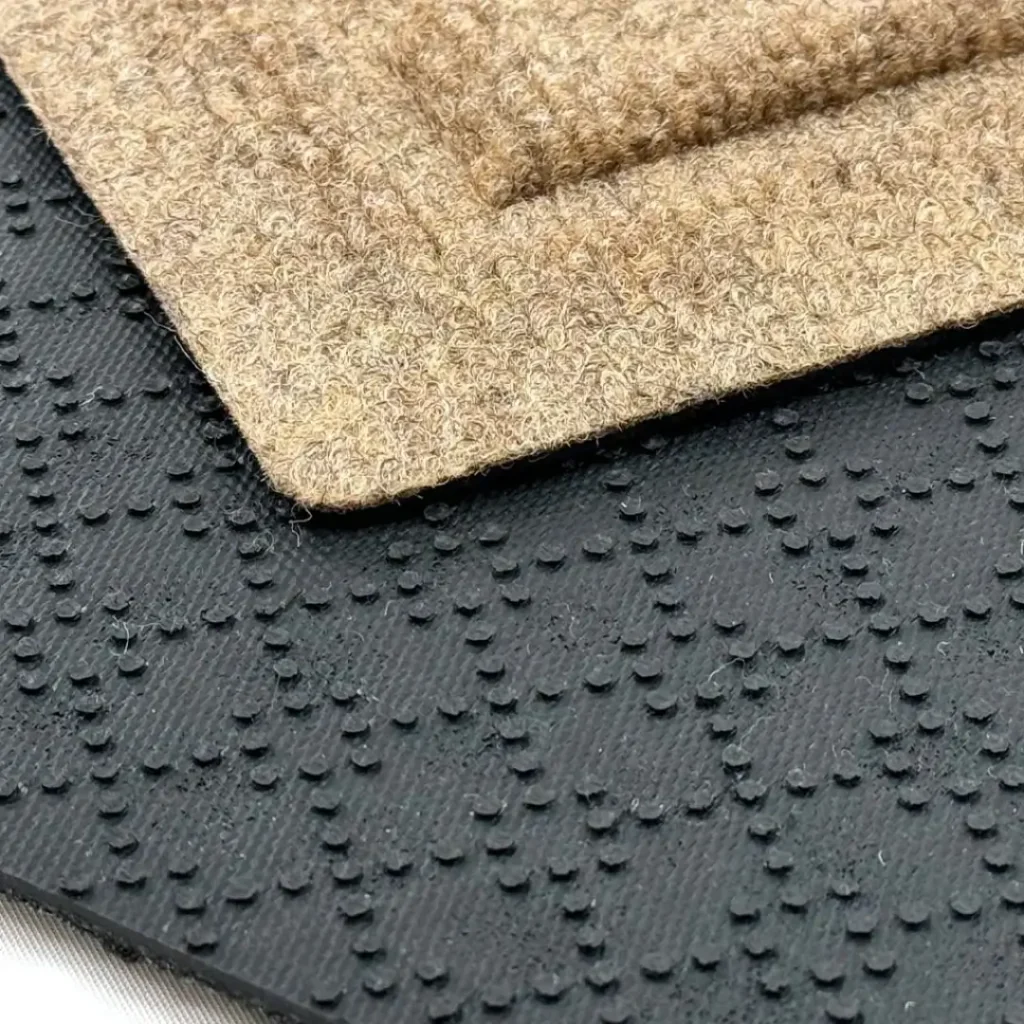
A mat that shifts or bunches becomes a tripping hazard, sometimes more dangerous than having no mat at all. Winter conditions make this even more critical. When someone in heavy, snow-caked boots hurries through your door to escape the cold, they’re not stepping gently. They’re stomping, scraping, and moving quickly.
I tested this by pushing hard against the edge of various mats while wearing winter boots. Most decorative options slid easily or bunched up under pressure. The combination of wet boots, aggressive stomping to remove snow, and people rushing to get out of the cold creates forces that lightweight mats simply can’t withstand. WaterHog’s cleated rubber backing grips floors so effectively that it stays firmly in place even with aggressive winter foot traffic, snow-shoveling boots that create heavy pressure points, and hurried entries during severe weather.
5. Temperature Performance
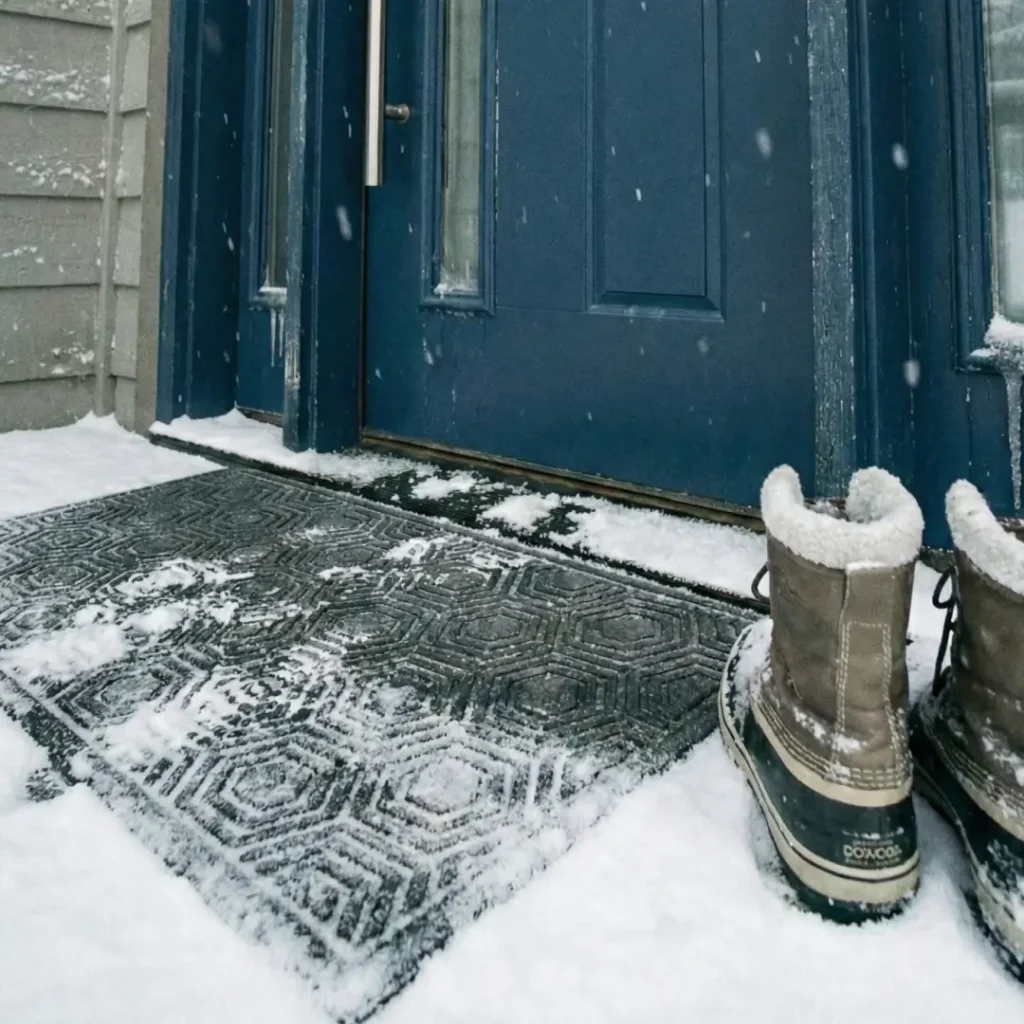
In cold temperatures, vinyl cracks and curls, and standard rubber backing becomes stiff and brittle, losing its grip. This is particularly problematic for exterior doormats or those in unheated entryways, mudrooms, or garages where temperatures can drop well below freezing.
Winter doormats face temperature challenges that summer mats never encounter. They need to remain flexible when it’s 10 degrees outside and you open the door, letting arctic air blast across them. They need to handle the thermal shock of going from frozen solid to wet and slushy as people track in snow that immediately starts melting on the mat. Inferior rubber compounds become rigid in extreme cold, losing both their grip and their ability to trap debris effectively. WaterHog’s rubber compound is engineered to remain flexible in extreme winter temperatures, maintaining both stability and performance throughout the harshest conditions.
Why Certification Matters More Than Marketing
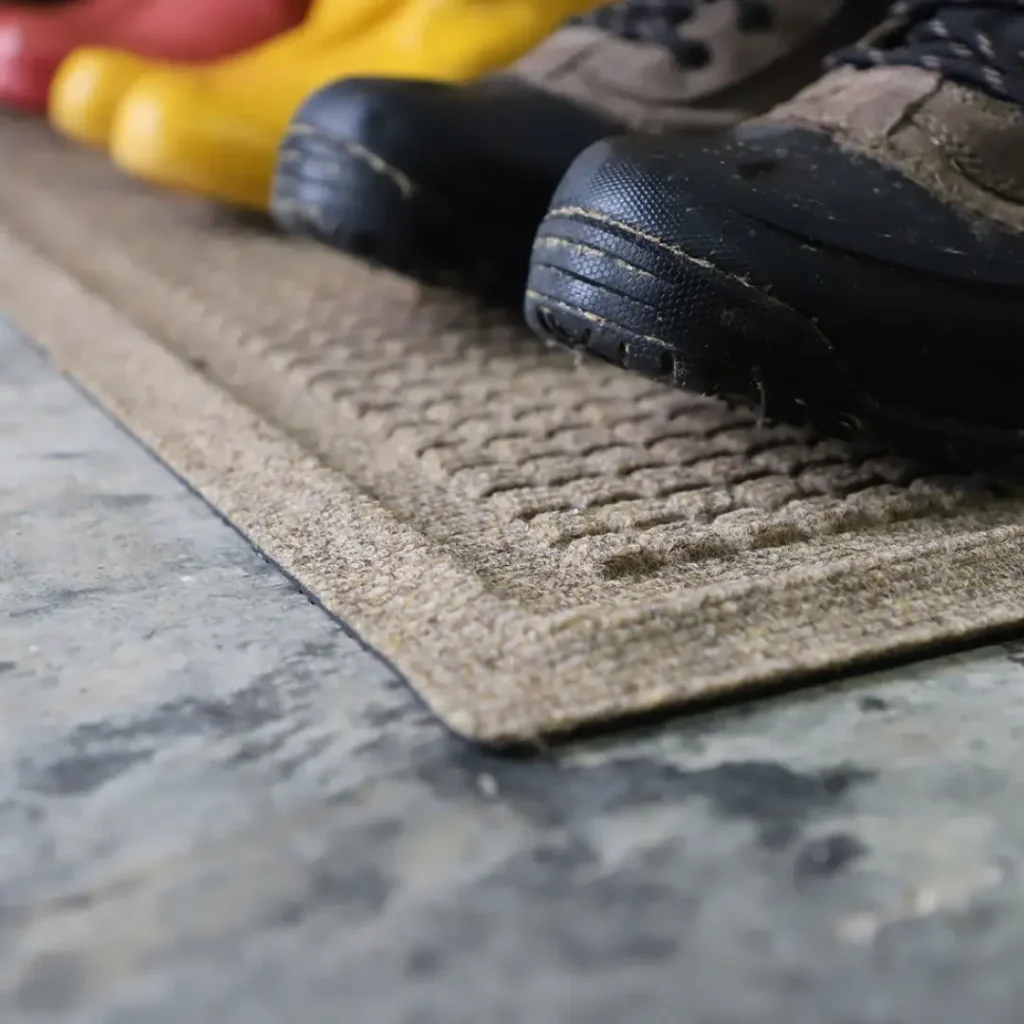
The doormat industry is full of winter-themed marketing that has nothing to do with actual winter safety. I found countless mats advertised as “winter doormats” or “snow mats” that lacked any safety certifications whatsoever. Their winter designation was based on seasonal patterns or colors, not on performance standards.
The difference between certified and uncertified became crystal clear when I compared specifications. A typical decorative winter mat might absorb a limited amount of moisture before becoming saturated and slippery. WaterHog’s design holds up to 1 gallon of water per square yard while maintaining slip resistance. That’s engineering backed by third-party testing that proves the mat can handle the volume of moisture, slush, ice, and grime that winter brings.
What Professional Standards Look Like in Practice
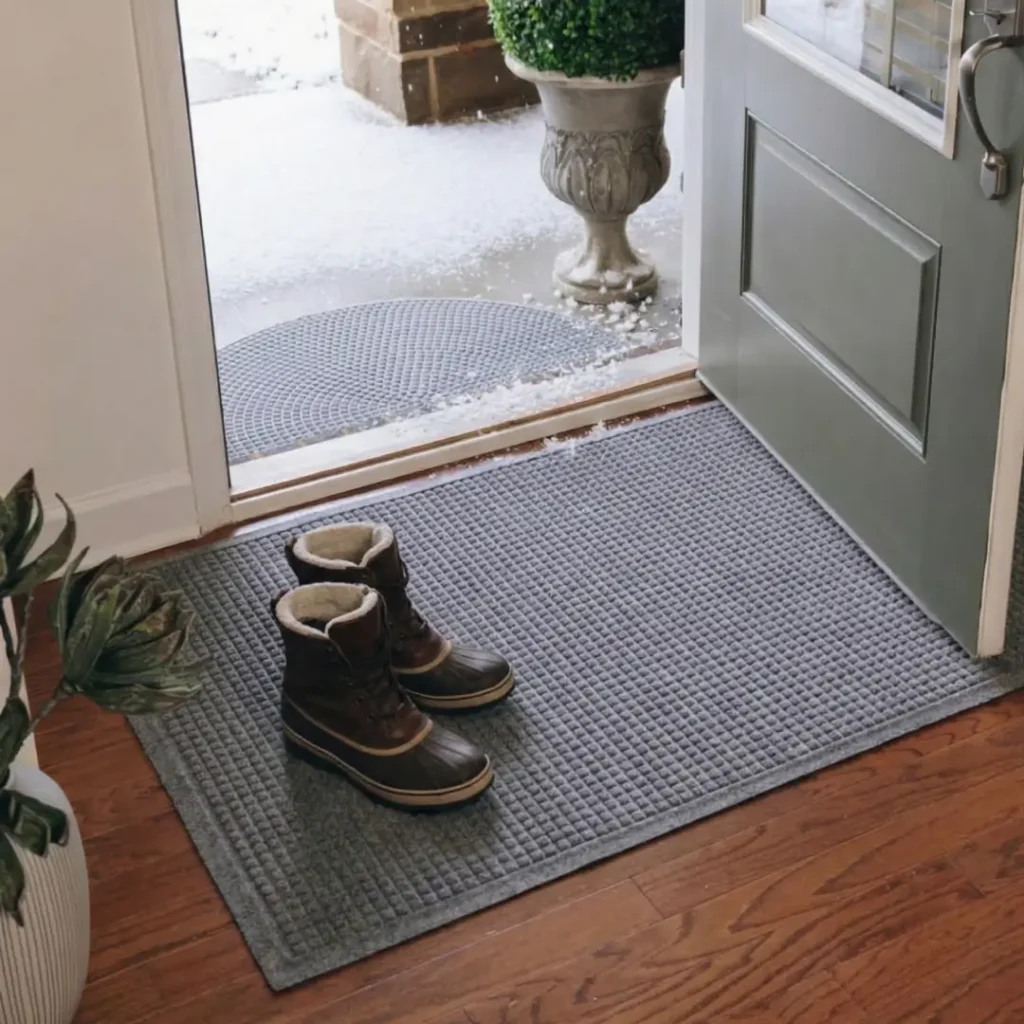
After installing WaterHog Squares at my front entrance last winter, the performance difference was immediately evident. The mat handled the heavy wet snow we get in February without becoming saturated. The surface maintained grip even when covered in slush, that particularly treacherous mixture of melting snow, ice crystals, and road salt that creates the slipperiest conditions imaginable.
Most importantly, it stayed firmly in place despite constant traffic, aggressive boot wiping, and the heavy packages that delivery drivers dropped on it daily during the holiday season when snow was at its worst.
But the real test came during an ice storm in March. Our entire front steps were treacherous, covered in a layer of frozen rain that made every surface a skating rink. But the doormat itself provided the one stable surface where people could pause, stomp their feet to remove ice and slush, and grip something secure before entering. My elderly parents visited during that storm, and I watched my father use the mat’s traction to steady himself. That wouldn’t have been possible with the decorative mat I’d previously used, which would have been just as slippery as the icy steps themselves.
Throughout that winter, the mat dealt with everything the season threw at it: the salt and calcium chloride from our driveway, the black road grime from parking lots, the frozen chunks of ice that fell from wheel wells, the muddy slush from the brief warm spells, and the constant freeze-thaw cycles that destroy inferior materials.
The Doormat Your Entrance Deserves
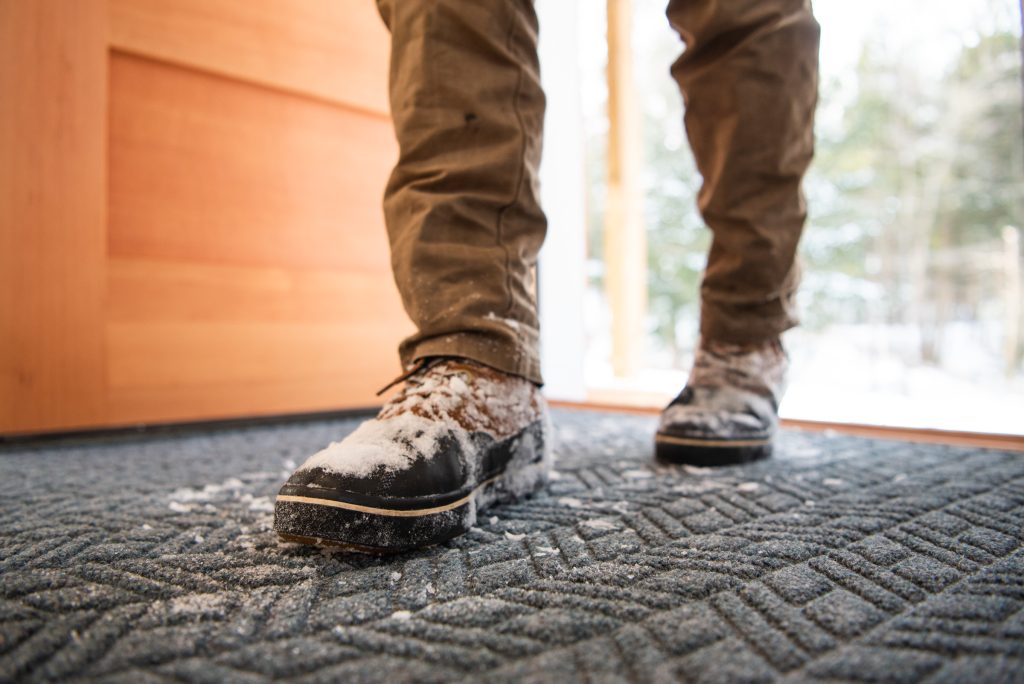
Not every doormat needs to meet commercial safety standards. But your winter entrance does. The combination of moisture, cold, salt, frozen slush, ice, grime, and hurried traffic creates conditions that demand more than decorative appeal. Your doormat is your first line of defense against accidents, and that responsibility deserves a certified solution.
WaterHog Squares delivers the NFSI certification, chemical resistance, and water retention capacity that winter conditions demand. It’s not the cheapest option, but it’s the professional-grade standard that takes winter safety seriously. The doormat also comes in multiple sizes, and they also offer boot trays, giving families multiple options for storing wet and messy shoes off of the floor.
The right mat isn’t just protecting your floors. It’s protecting your family and your guests from the very real hazards winter weather poses at every home’s entrance.





Leave a Comment
Your email address will not be published. Required fields are marked *