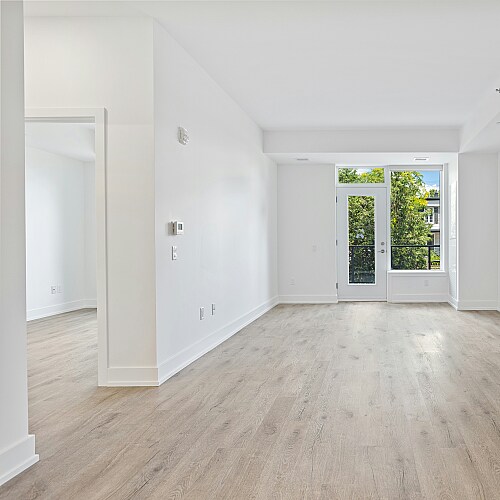
Renting comes with a frustrating catch-22: You’re financially responsible for the floors, but you’ve got zero authority to change them. You can’t refinish scratched hardwood, reseal worn tile, or swap out damaged vinyl planks. What you can do is watch part of your security deposit vanish if your landlord decides the use went beyond “normal.”
That word is pulling a lot of weight. In most states, landlords can deduct for damage but not for normal wear and tear. Wear and tear covers what happens through everyday living, like minor scuffs from foot traffic, gentle fading from sunlight, or light impressions from furniture. Damage covers deep scratches from something dragged without pads, water stains from a spill nobody mopped up, or gouges from pet claws on bare wood.
Those rules are state law and vary widely, so check your own state’s specific requirements before signing anything. The line between “expected aging” and “you’re paying for that” is where most disputes start. The five moves below stay inside your lease’s rules, leave nothing behind, and travel with you to the next place.
Document Every Floor Before You Unpack
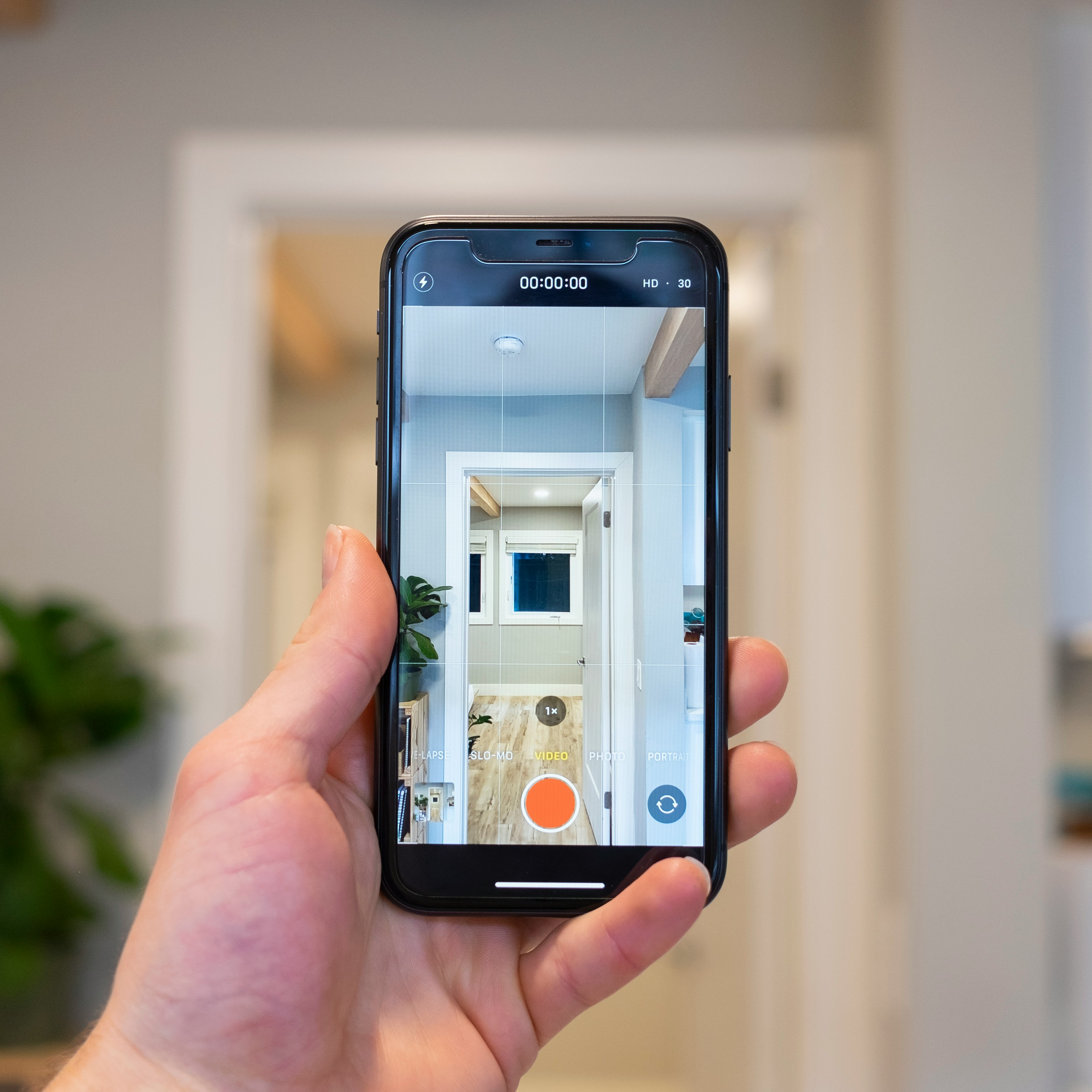
This is the most valuable thing you can do to protect your deposit, and it won’t cost you a cent. Before you bring a single box in, photograph each room’s flooring in natural light. Capture existing scratches, stains, dents, and discoloration. Get close-ups of anything that could later be called “new” damage.
Date every photo. Email them to yourself and your landlord so there’s a timestamped record both parties can access. Without a move-in baseline, you have far less to work with if a damage claim comes up later, and photos taken six months into a lease don’t carry the same weight as ones shot the day you got the keys.
Many states require or allow tenants to submit a move-in condition report. Use it. If yours doesn’t offer one, create your own, and send a copy to your landlord in writing. This is what separates a dispute you can win from one that comes down to your word against theirs.
Felt Pads Under Every Furniture Leg
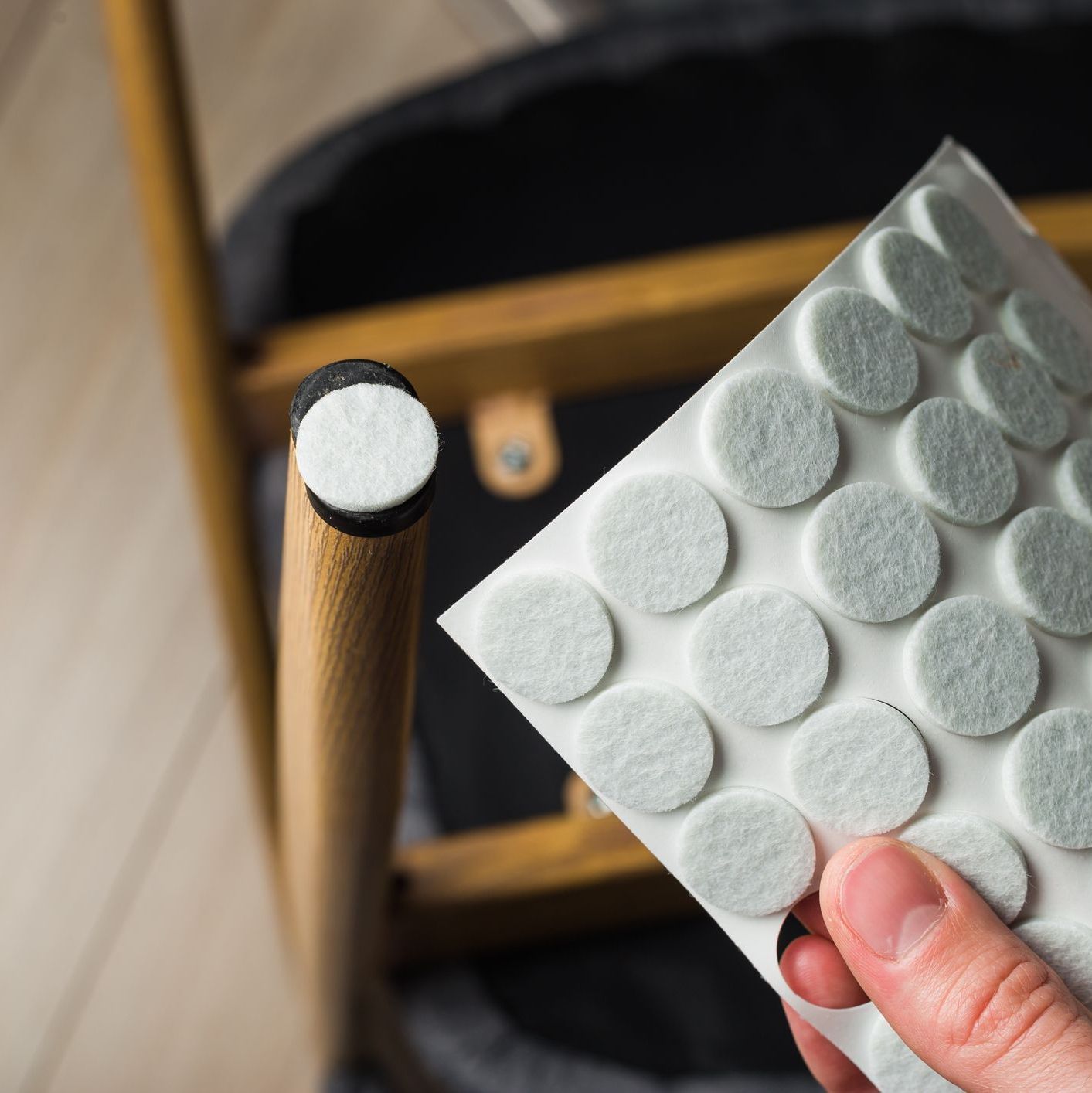
This is cheap, simple, and wildly effective for anything that sits still. Adhesive felt pads on table legs, chair legs, couch feet, and bed frames prevent the scratches that accumulate each time someone shifts in a seat or bumps a nightstand. They’re one of the easiest wins in floor protection.
Swap them out every couple of months. The material wears down, picks up embedded grit, and eventually starts causing the scratches it was supposed to prevent. A fresh set runs a few dollars, which is considerably less than a scratch-repair deduction on your security deposit.
A Shoes-off Policy (With a Realistic Backup Plan)

Going shoeless indoors cuts down on the biggest source of floor wear in a rental: tracked-in grit. Sand and small stones embedded in shoe soles act like sandpaper on hardwood, LVP, and tile alike. Over months of daily foot traffic, that abrasion adds up to visible wear that goes well past what most landlords consider normal.
The catch is enforcement. You can commit to the rule yourself, and you can ask politely when guests arrive. But you can’t control what happens at a party, during move-in weekend, or when the maintenance crew walks through in work boots. A shoes-off policy works best as one layer among several, not as a standalone strategy.
Invest in Floor Mats and Carpeting
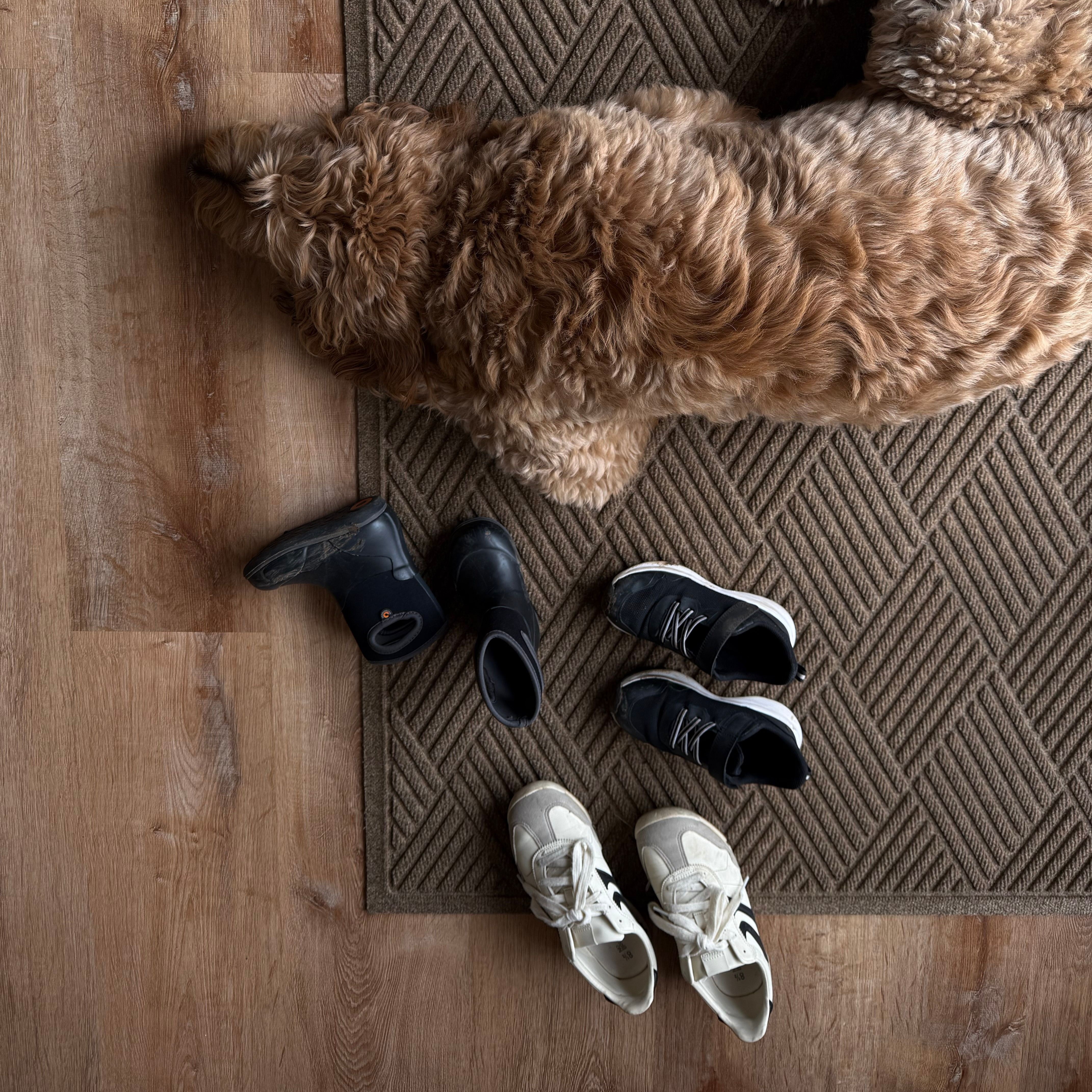
Area rugs, runners, and entry mats create a physical barrier between daily foot traffic and your flooring. In busy zones like hallways, kitchens, and entryways, that barrier absorbs the grinding that would otherwise land directly on the surface underneath. For renters, the key is choosing options that protect without leaving residue, stains, or adhesive marks behind.
The entryway deserves the most attention. A bi-level doormat traps dirt and moisture below foot level before either gets tracked deeper inside. The rubber backing on a WaterHog mat keeps it flat and in place. There’s nothing to nail, glue, or tape down, and there’s nothing to remove or repair when you leave.
WaterHog doormats start at $45, with a 3/8” profile low enough to clear most swings. A half-round at $55 fits flush against an inward-opening entry. For a hallway that takes heavy traffic, runner mats start at $99.
If your rental includes stairs, stair treads come in sets of two for $35, install with no adhesive, and sit at just 1/4” tall. Slight shifting over time is normal; just nudge them back into position.
What This Looks Like in Practice
I keep a WaterHog doormat at the entry to my studio in New York. The floors are hardwood, and my lease makes it very clear who’s paying if those surfaces get damaged. After close to a year, the mat hasn’t shifted on the wood, clears my door swing without catching, and still traps everything I’d rather not track inside. It fits the space so well that visitors notice it for the right reasons.
If you’ve spent any stretch in New York, you know that shoes come off immediately. Nobody wants to drag the city’s sidewalks across their living space, and the mat is spacious enough that you can stand on it comfortably, slip off your shoes, and step onto clean hardwood. It doubles as the unofficial entryway a studio never comes with.
A Note on Rubber Compounds
The trouble people run into with rubber-backed mats usually comes down to the specific compound in the mat rather than rubber as a material. Cheaper formulations can include fillers that leach or leave stains over time. The risk goes up on LVP, LVT, and sheet vinyl, where plasticizers in the flooring can react with a low-quality backing. Since no flooring manufacturer can possibly test against every compound out there, most default to a blanket warning against rubber-backed mats.
WaterHog has spent nearly four decades refining its rubber compound for compatibility across a wide range of floor types, backed by real-world use in homes and businesses. Still, no compound is a fit for every finish. Before placing any rubber-backed mat on LVP, LVT, or sheet vinyl, check your flooring manufacturer’s care guidance for its specific recommendations.
Book a Professional Clean Before the Walkthrough
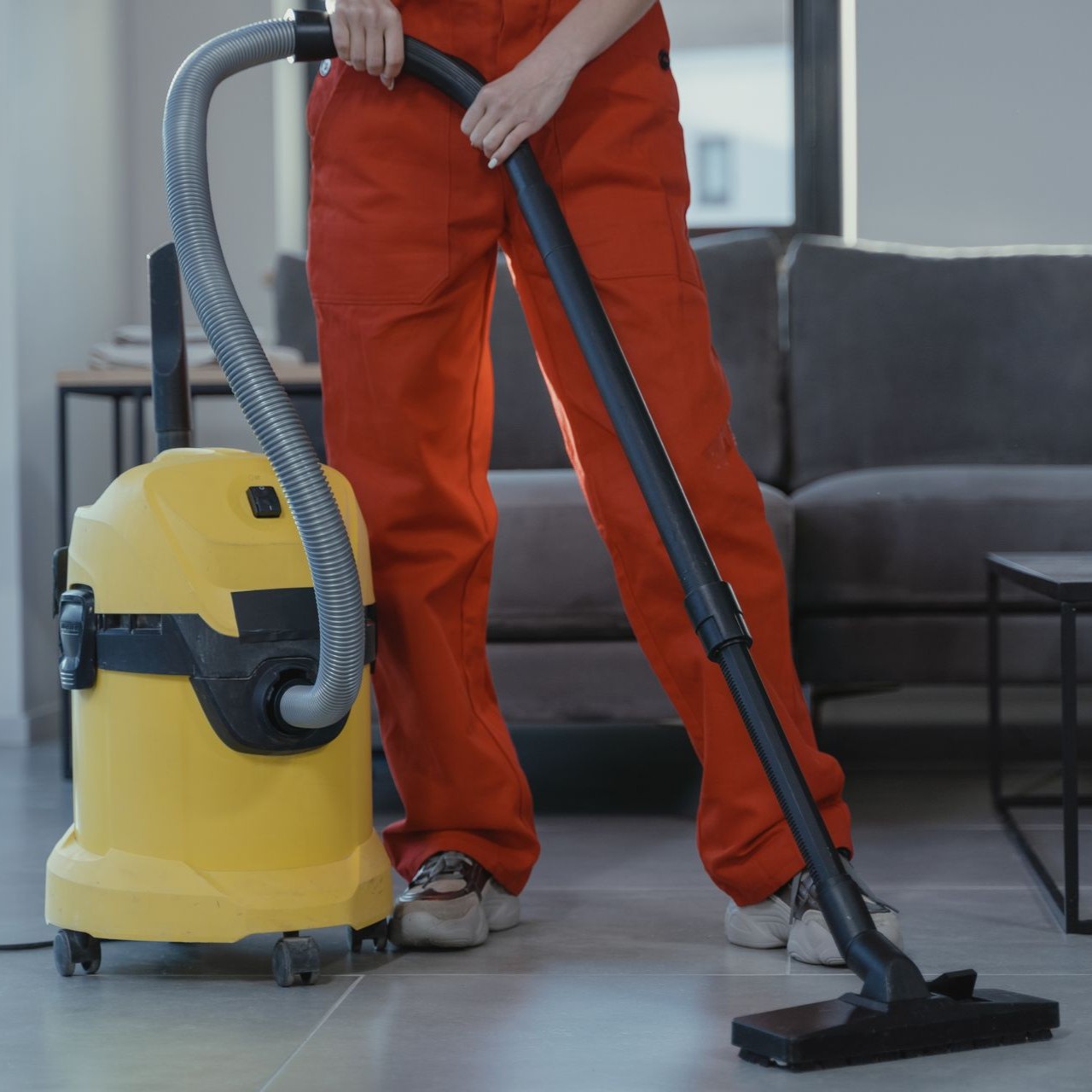
A thorough cleaning before your final walkthrough takes a major argument off the table: that you left the surfaces worse than you found them. Focus specifically on the flooring. You want a deep treatment for hardwood, buildup stripped from tile grout, and any stains addressed that could read as damage rather than age.
Keep the receipt. A dated invoice showing you invested in dedicated floor care is another piece of documentation that you held up your end. Paired with those move-in photos, this is a solid position to bring into any deposit dispute if things get contested.
Floor Protection That Moves With You
Renter-friendly purchases tend to be disposable. You buy them knowing they’ll stay behind or end up in the trash at move-out. WaterHog mats don’t work that way.
They go in the truck, land at the new place the same day, and keep doing the same job on different surfaces for years. That’s the rare renter purchase that pays for itself over and over instead of ending up as sunk cost. Your deposit is money you’ve already paid. These five straightforward steps help you bring more of it home.
All details were verified at the time of publication and are subject to change without notice. Security deposit rules vary by state and by lease agreement, and nothing herein constitutes legal advice. No product can guarantee the return of a security deposit. Before placing any rubber-backed mat on vinyl flooring, including LVT, LVP, sheet vinyl, and vinyl tile, consult your flooring manufacturer’s care guidance, as some vinyl contains plasticizers that may react with rubber over time.





Leave a Comment
Your email address will not be published. Required fields are marked *